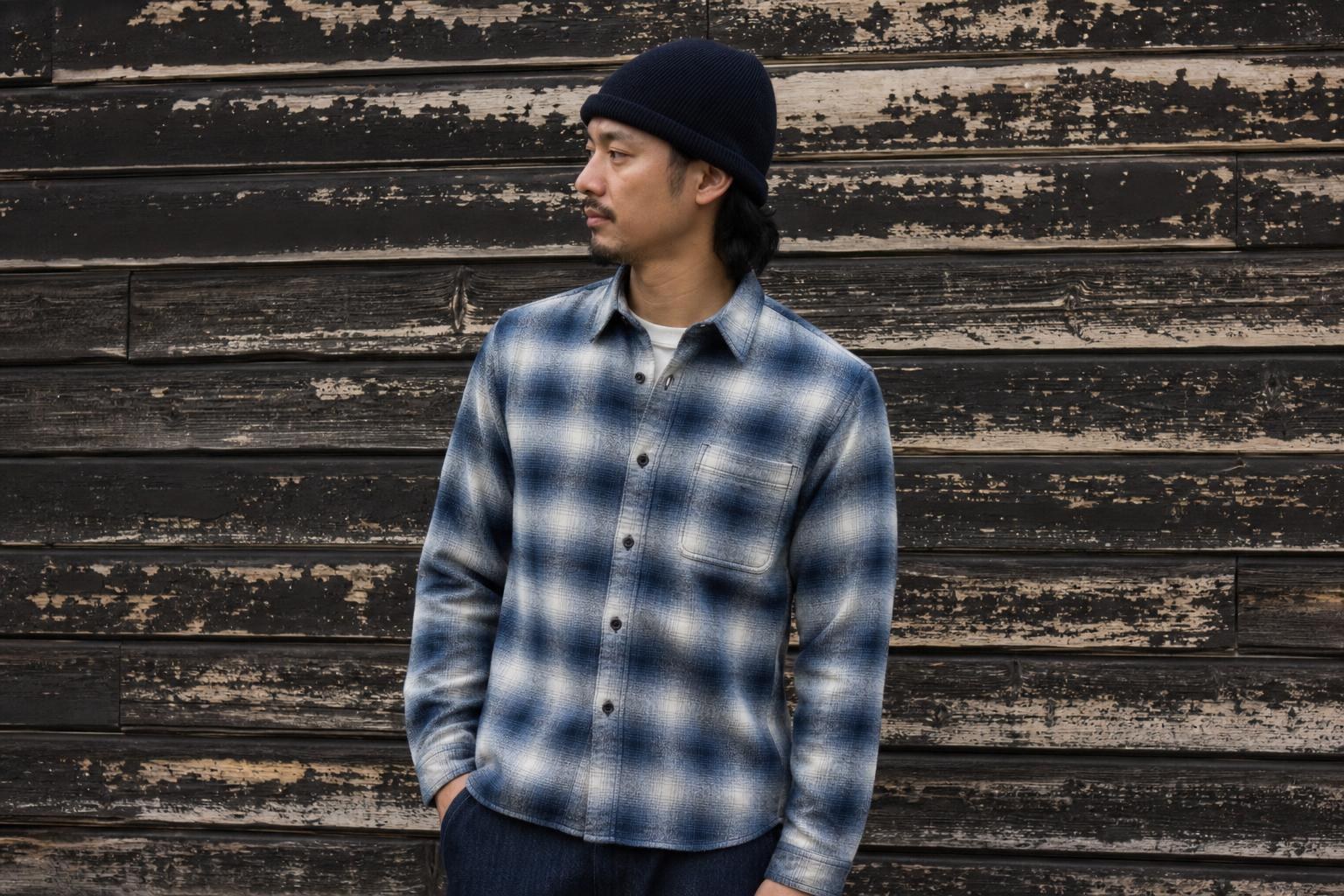
Few garments carry the weight of a specific time and place the way a well-worn Japanese streetwear piece does. The Vintage Corefighter ombre check flannel shirt is one of those rare items that tells you exactly where it came from the moment you pick it up: the fabric, the construction, the particular way the colors bleed into one another. It belongs to an era of Tokyo fashion that prized obsessive detail and quiet confidence over logos and hype. If you’ve been hunting for one, you already know they don’t surface often. And if you’ve just stumbled across the name for the first time, you’re about to understand why collectors pay serious attention to these shirts. This review breaks down everything from the brand’s history to the shirt’s construction, fit, and styling potential, so you can decide whether tracking one down is worth the effort and the price tag. Spoiler: for the right person, it absolutely is. ## The Legacy of Corefighter and Tokyo Streetwear ### Origins of the Brand Corefighter emerged in the late 1990s from Tokyo’s Ura-Harajuku scene, a loose network of small, independently run labels that operated out of back-alley shops rather than department stores. The brand was founded with a clear philosophy: take American workwear and military staples, then reconstruct them with Japanese precision and unexpected design choices. Think heavy flannels, military jackets, and denim, but with details you’d never find on the originals. Unlike larger contemporaries such as A Bathing Ape or Neighborhood, Corefighter stayed deliberately small. Production runs were limited, distribution was tight, and the brand never chased mainstream visibility. That restraint is exactly what makes their vintage pieces so sought after in 2026. ### Influence on Ura-Harajuku Culture Ura-Harajuku wasn’t just a neighborhood; it was a philosophy of retail and design. Brands like Corefighter, WTAPS, and Bounty Hunter shared a DIY ethos rooted in American subcultures: punk, skateboarding, hip-hop, and military surplus culture. Corefighter carved its niche by focusing on fabric-forward pieces where the material itself was the statement. Their flannels, in particular, became quiet grails among collectors who valued texture and craftsmanship over branding. The ombre check flannel sits at the intersection of all these influences: an American workwear silhouette filtered through a distinctly Japanese sensibility for color and construction. You won’t find a Corefighter logo screaming at you from the chest pocket. The shirt speaks through its fabric, not its branding. ## Design Analysis: The Ombre Check Pattern ### Color Palette and Gradient Quality The defining feature of this shirt is its ombre effect, where the check pattern gradually shifts from one color family to another as it moves from the yoke down to the hem. Most versions feature transitions from deep burgundy or navy at the shoulders into lighter tones of cream, sand, or faded rose toward the bottom. What sets Corefighter’s execution apart from cheaper ombre flannels is the number of color steps in the gradient. Rather than a crude two-tone fade, you get five or six distinct tonal shifts, each one subtle enough that the overall effect feels organic rather than forced. The result looks almost like the shirt has been sun-faded over decades of wear, even when it was brand new. That illusion of natural aging is incredibly difficult to achieve in production, and it’s one of the reasons the Corefighter ombre check flannel commands the prices it does on the resale market. ### Visual Texture and Weave Style Beyond the color work, the weave itself contributes to the shirt’s visual depth. Corefighter used a twill weave for most of their flannel offerings rather than a standard plain weave. Twill creates a subtle diagonal texture on the fabric surface, which catches light differently depending on the angle. This means the shirt looks slightly different in direct sunlight versus indoor lighting, giving it a richness that flat-weave flannels simply can’t match. The check pattern is also scaled intentionally: not too large, not too small. It sits in that sweet spot where it reads as classic plaid from a distance but reveals its gradient complexity up close. ## Material and Construction Quality ### Fabric Weight and Hand-Feel Pick up one of these shirts and the first thing you notice is the weight. Corefighter sourced medium-to-heavy weight flannel, typically in the range of 6 to 8 ounces per square yard. That’s heavier than most contemporary flannel shirts from brands like Uniqlo or J.Crew, but lighter than a full-on shirt jacket. The cotton has been brushed on both sides, giving it a soft, almost downy hand-feel that improves with washing. Vintage examples that have been worn and laundered dozens of times develop a broken-in quality that’s impossible to replicate with new fabric. The cotton itself feels dense and substantial without being stiff, which suggests a longer staple fiber was used in production. ### Hardware and Stitching Durability Construction details reveal the brand’s workwear roots. Buttons are typically natural shell or high-quality resin rather than cheap plastic, and they’re attached with cross-stitching for durability. Seams are flat-felled throughout the body, a technique borrowed from denim construction that prevents fraying and adds structural strength. The collar points are reinforced, and the button placket is cleanly finished with no exposed raw edges. On vintage examples in good condition, you’ll often find that the stitching has held up better than the fabric itself, which says something about the thread quality and tension used during manufacturing. One telling detail: the pocket is usually single-needle stitched, a slower and more expensive technique that produces a cleaner line. These aren’t the kind of shortcuts you see from brands focused on volume. ## Fit and Silhouette Guide The shirt follows a relaxed but intentional silhouette that reflects late-1990s and early-2000s Japanese streetwear proportions. Shoulders are set slightly wider than a slim-fit Western shirt, and the body has a gentle taper from chest to hem without being boxy. Sleeve length tends to run a touch long, which was characteristic of the era’s preference for a slightly oversized look that could be worn with the cuffs rolled. The overall impression is casual and lived-in, not sloppy. ### Comparing Vintage vs. Modern Sizing Here’s where things get tricky for buyers in 2026. Japanese vintage sizing from this period does not map neatly onto current Western sizing charts. A Corefighter “Large” from 2002 often corresponds to a modern Western “Medium” or even a slim “Small” depending on the buyer’s build. Chest measurements typically run 2 to 3 inches smaller than what you’d expect from the tag size, and body length can be shorter as well. Always request actual garment measurements before purchasing from resale platforms. Key numbers to ask for include chest width (pit to pit), body length (back of collar to hem), shoulder width (seam to seam), and sleeve length (shoulder seam to cuff). Don’t trust the tag. Measure a shirt you already own that fits well and compare directly. ## Styling the Ombre Flannel for Today The beauty of this shirt is its versatility across different aesthetics. Worn open over a plain white tee with straight-leg denim and chunky leather boots, it fits perfectly into a workwear-inspired outfit. Buttoned up and tucked into high-waisted trousers with loafers, it takes on a more refined, almost preppy character. The ombre pattern acts as a visual anchor, so keeping the rest of your outfit relatively simple tends to produce the best results. For colder months, it layers well under a denim jacket or a waxed cotton chore coat. The fabric weight is substantial enough to function as a light outer layer in spring or early fall. One styling approach that works particularly well: pair it with tonal pieces that pick up one of the shirt’s secondary colors. If your flannel fades from navy to cream, try matching it with off-white chinos or a sand-colored canvas bag. This creates a cohesive look without being overly coordinated. Avoid pairing it with other busy patterns. The gradient check is doing enough visual work on its own. Solid-colored bottoms and simple footwear let the shirt be the focal point, which is exactly where it should be. ## The Verdict: Value and Collectibility A vintage Corefighter flannel in good condition typically sells for between $150 and $350 on resale platforms like Grailed, Yahoo Japan Auctions, and specialized Japanese vintage dealers. Prices have climbed steadily over the past few years as awareness of Ura-Harajuku brands has grown among Western collectors. Condition matters enormously: a shirt with intact buttons, no holes, and minimal pilling commands a significant premium over one that’s been heavily worn. Is it worth it? If you appreciate garments as artifacts of a specific design culture, absolutely. This isn’t just a flannel shirt; it’s a piece of Tokyo streetwear history made with a level of care that most contemporary brands don’t bother with. The fabric quality, the ombre execution, and the construction details all point to a product that was made to be worn hard and age gracefully. For anyone building a wardrobe around quality over quantity, a Corefighter ombre flannel is the kind of piece you reach for constantly and keep for years. If you spot one in your size at a fair price, don’t hesitate. These shirts aren’t getting more common, and the collectors who know what they’re looking at aren’t slowing down.
Vintage Corefighter Ombre Check Flannel Shirt Review
 SHIRTS
コメント